The Mirage of Drift: What a Poster Taught Me About True Surrender
Written by: Shubham Chamoli
Shubham is a Philosophy teacher living in an Ashram in Rishikesh, helping people untangle their thoughts and tune back into their inner universe..
For many years, I followed four words as my mantra: go with the flow.
A teacher once told me this while I was a confused and chaotic child, and it seemed like the ultimate answer to calming my frayed nerves. Whenever things went wrong and my meticulously laid plans unraveled, I would simply relax and let the current carry me wherever it wanted. It seemed like a stress-free solution that required little effort and no decision-making at all. But that was shattered one fateful afternoon in Delhi!
I had developed a habit of collecting wall posters while traveling in Delhi, and browsing through markets searching for inspiration was one of my favorite weekend activities. Narrow market alleys echoing with the chaos of hundreds of vendors were the perfect place to find unique quotes and art for my bedroom.
While wandering through one such market, my eyes fell on a display of framed artwork hanging on a metal rack from the ceiling. But one poster in particular caught my eye. It was simple, with a few large embossed letters in the center saying: "Only dead fish go with the flow."
As I stared at these words amidst the noisy chaos of the market, it was like someone had just slapped me across the face. It was practically an affront to everything I believed in, and I felt insulted on a very personal level. This poster had managed to strike at the heart of my being and do a number on my deeply held convictions. I had to have it. I bought the poster that very day.
That evening, I hung it on the wall right above my desk. Sitting in the dimly lit room studying under the glow of my desk lamp, I pondered the words on the wall for hours, trying to rationalize my feelings. The mind naturally dislikes having its cherished notions and behaviors challenged, and I wanted to find some fault in these words. I wanted to find some reasoning that would explain away the uneasiness this poster invoked in me, but I could not. In fact, the more I thought about it, the more I felt like those words were somehow right.
What was it about these words that had so deeply affected me? Why had they managed to strike at the heart of my being in such a way?
I realized that the problem was not with the message in and of itself, but rather what it implied. The way the saying was phrased insinuated that simply "going with the flow" was somehow inherently good, but I instinctively sensed that there was something wrong with that line of thinking.
What did it mean to "go with the flow"? The phrase implied that there was some sort of current that we as humans were always floating within. But what exactly was this current? Was it some divine power or force of nature that dictated everything that happened to us? Was there really a preordained path in life that we were all simply meant to follow?
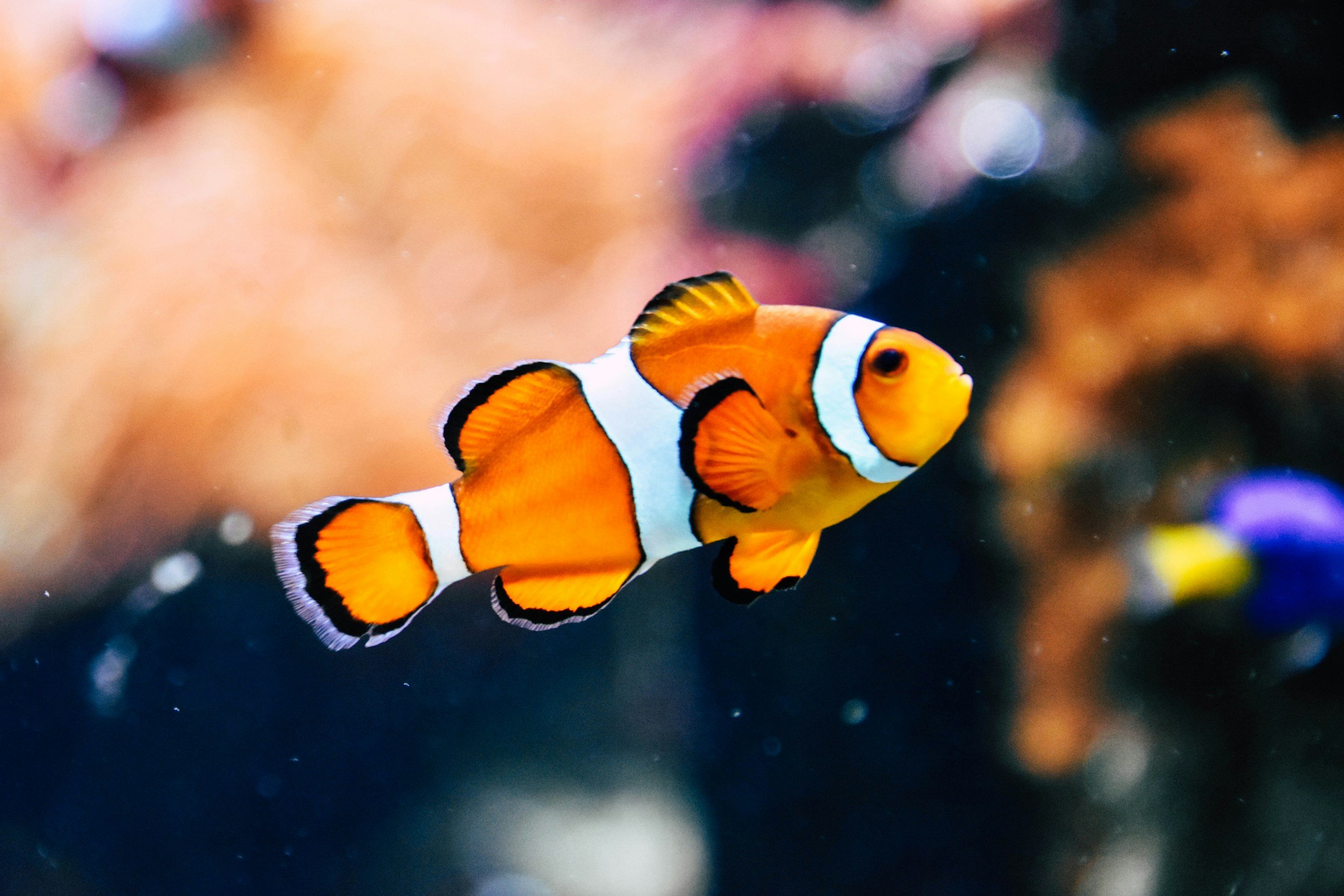
I thought about what it meant to be a dead fish in a river. Dead fish did indeed ride the current of the water effortlessly. They did not put up any resistance or fight the natural flow of the stream or river they were in. They simply floated from one bank to the other with little or no effort on their part. But was there really any virtue in "going with the flow" if you were essentially lifeless inside?
Floating lazily with no real desire to put in any effort was not a good thing simply because it was easy.
The lazy acceptance of whatever happened as fate was actually a kind of cowardice and lack of conviction in itself. And that is what I realized the problem with "dead fish" was.
In truth, there was no huge difference between the path of least resistance, "going with the flow," and an overly stubborn and immovable path (like trying to fight a hurricane with bare hands). These were both extremes of the same coin.
Slipping through life in a dreamy, passive state was just as bad as being too rigid and unwilling to change with the times.
A living fish was perfectly adapted to life in the water, and it could navigate through the current and around obstacles with relative ease. It could actively choose what direction to swim in, but it did not put up a fight when it encountered larger forces like streams that were too strong to swim against. I realized that this passive acceptance of what was happening was what "going with the flow" was really all about.
The water in a mountain stream or river will carve its way down a mountainside until it reaches the sea or the ocean. If the water meets a large rock in its way, it will gently slip around the obstacle until it finds a weak point to erode through. The water continues to flow continuously until it connects with another, much larger body of water to form a deep river. This is exactly what we as humans need to do as well. We should flow through life like water, making decisions based on what direction we want to move in while still accepting the obstacles we encounter with passive determination. We provide the will and determination while allowing the universe to decide the path as and when it reveals itself.
The poster above my desk served as a constant reminder that passivity was not always a virtue. It reminded me that floating aimlessly through life like a dead fish was not a sustainable way to live. But it also made me realize that I had been doing just that for far too long. However, simply choosing to put in more effort and become "stronger" was not an answer either. It was a fine balance between these two extremes, and the ability to determine which one to use and when was the most important lesson I had learned from that poster. It was not weakness to put in effort in some areas of life while relying on passive acceptance in others. It truly was all about the ebb and flow of life. Just like water cutting its way through stone, we too should be passive in our acceptance of the inevitability of the universe but still possess the will and determination to shape our own paths in life.
